
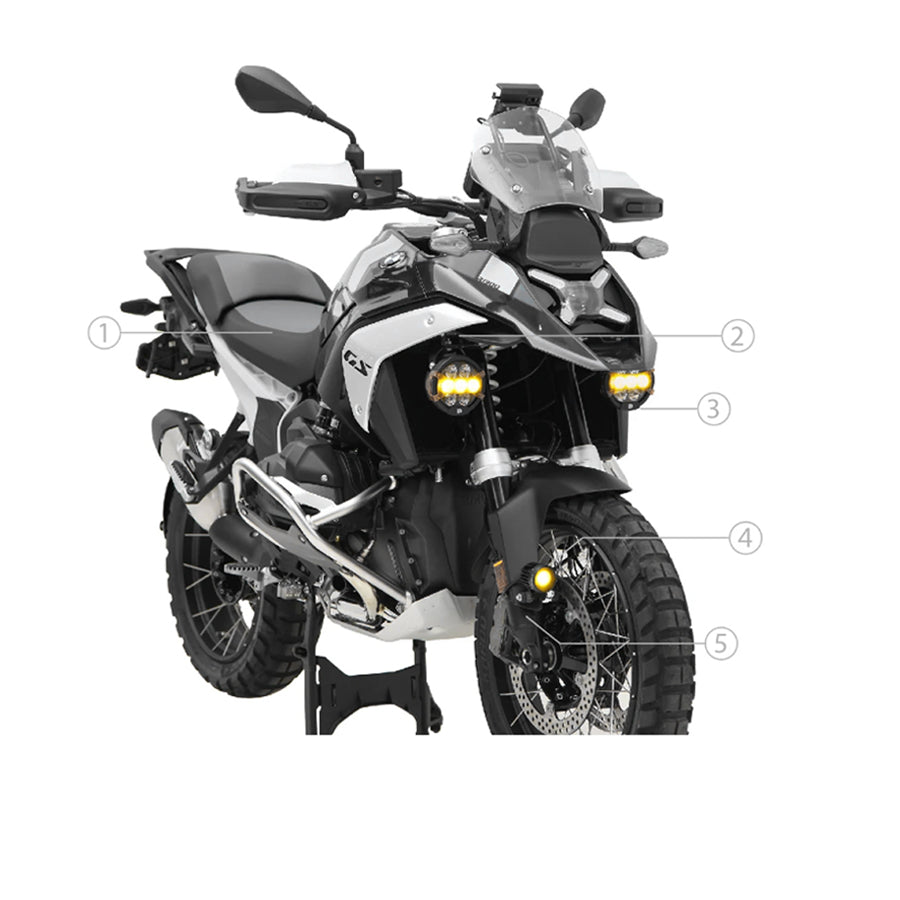
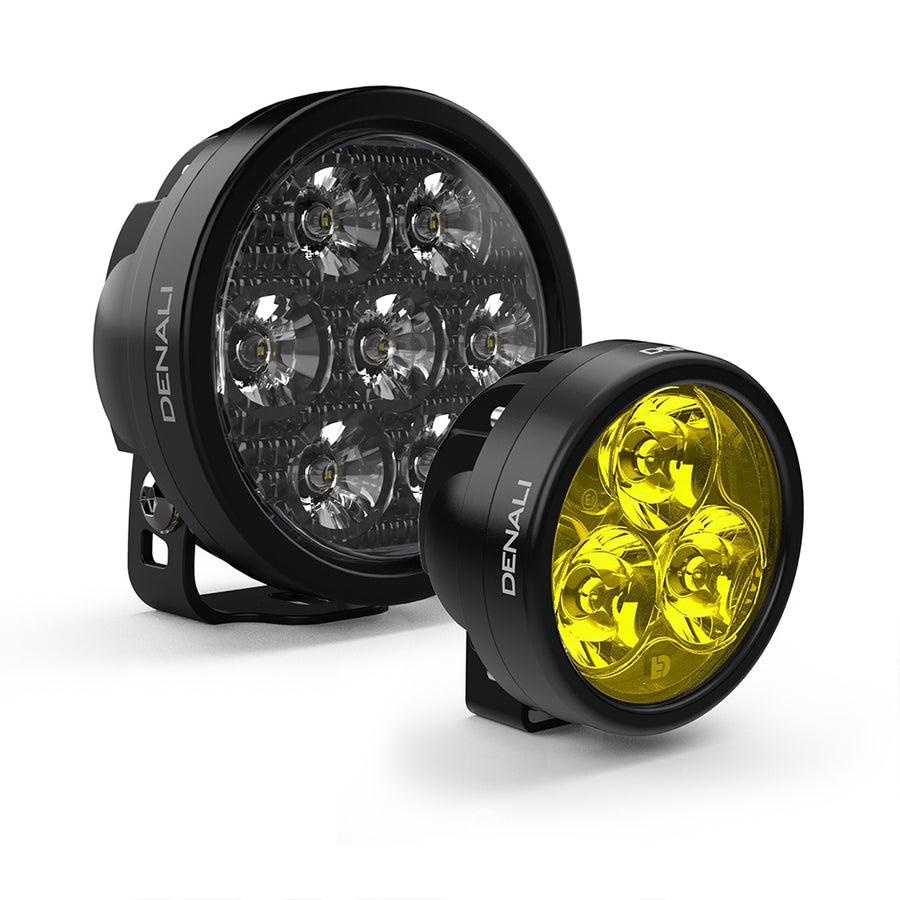


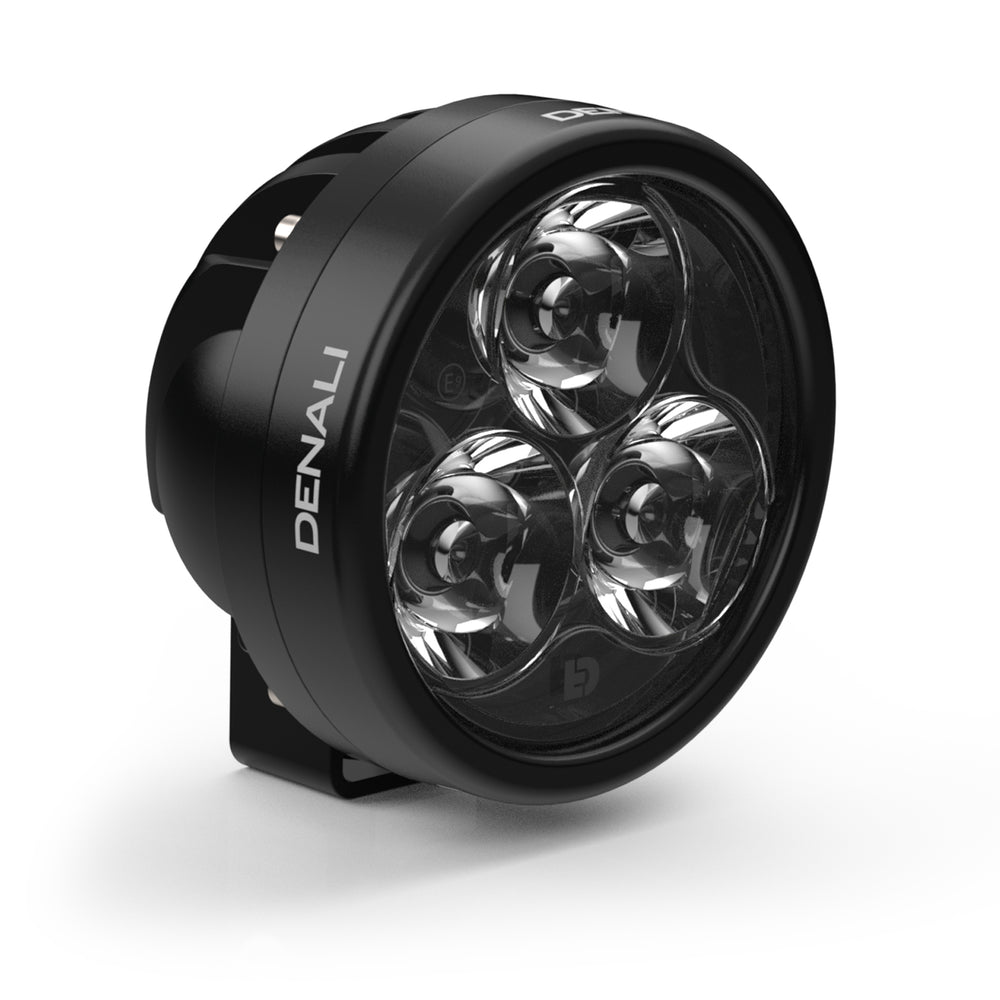
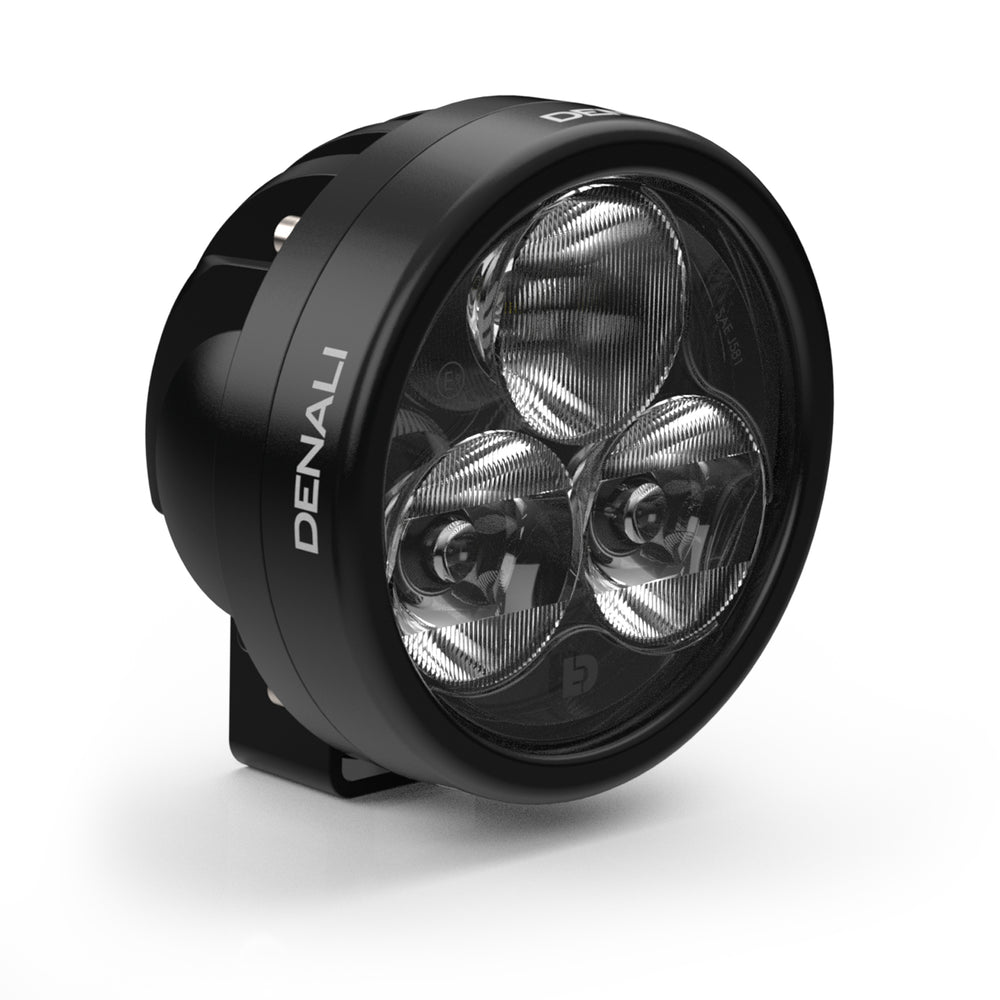
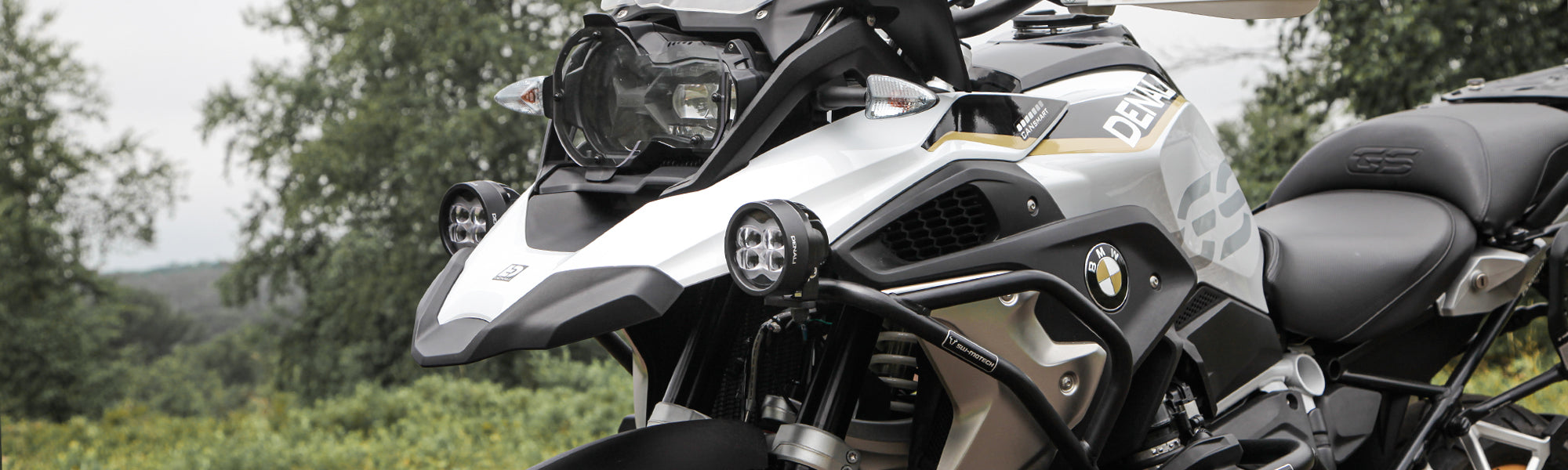

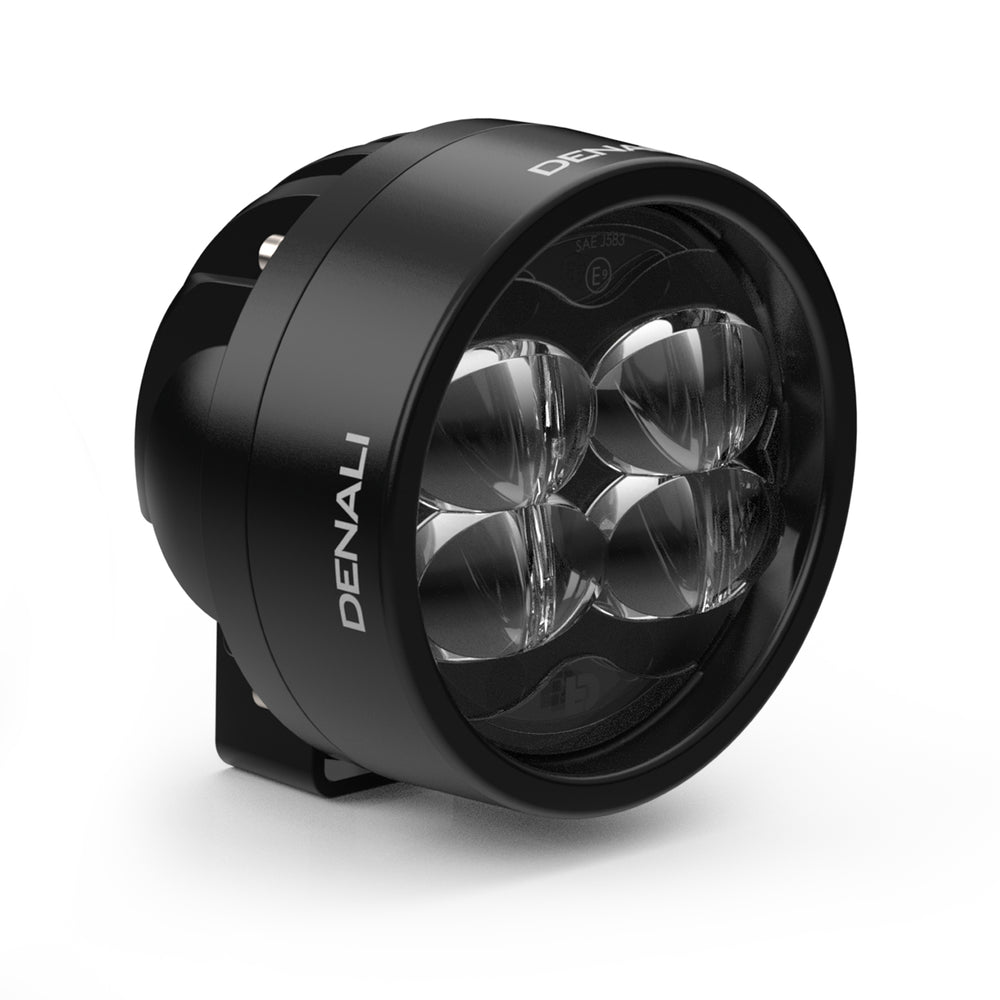
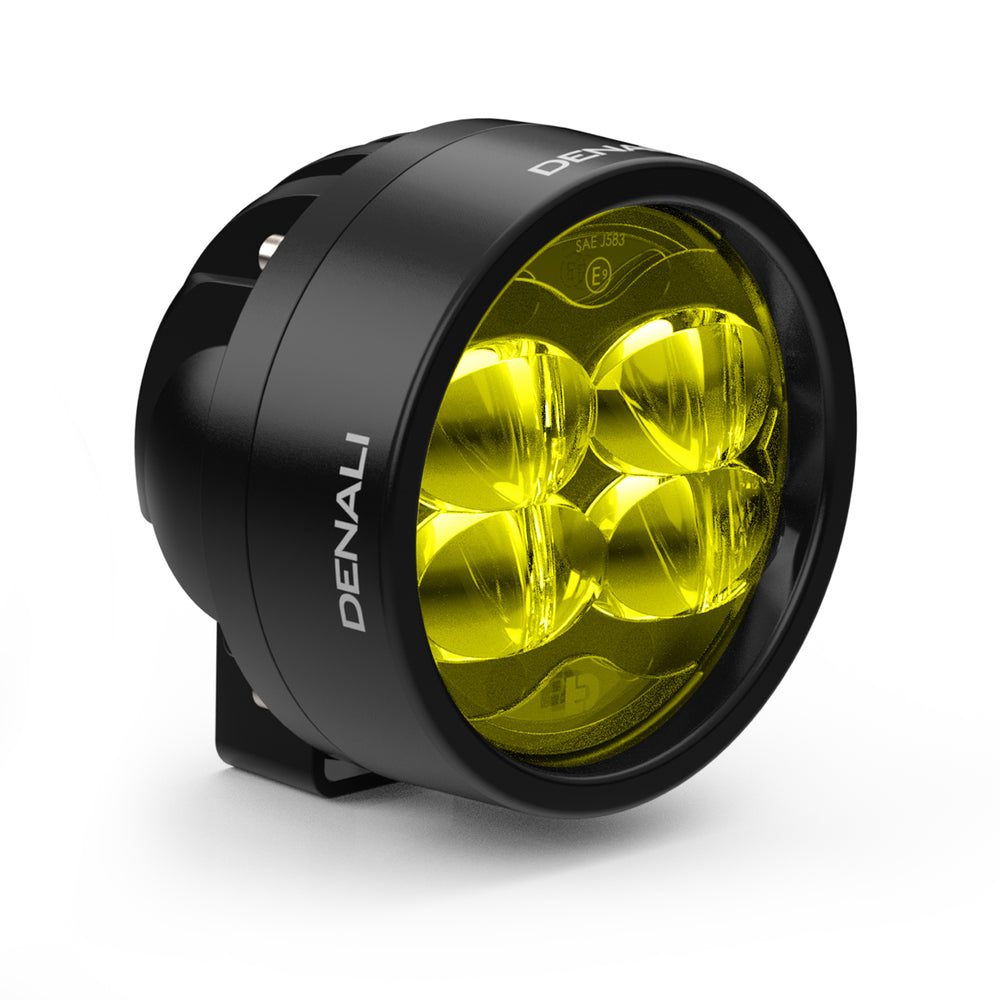
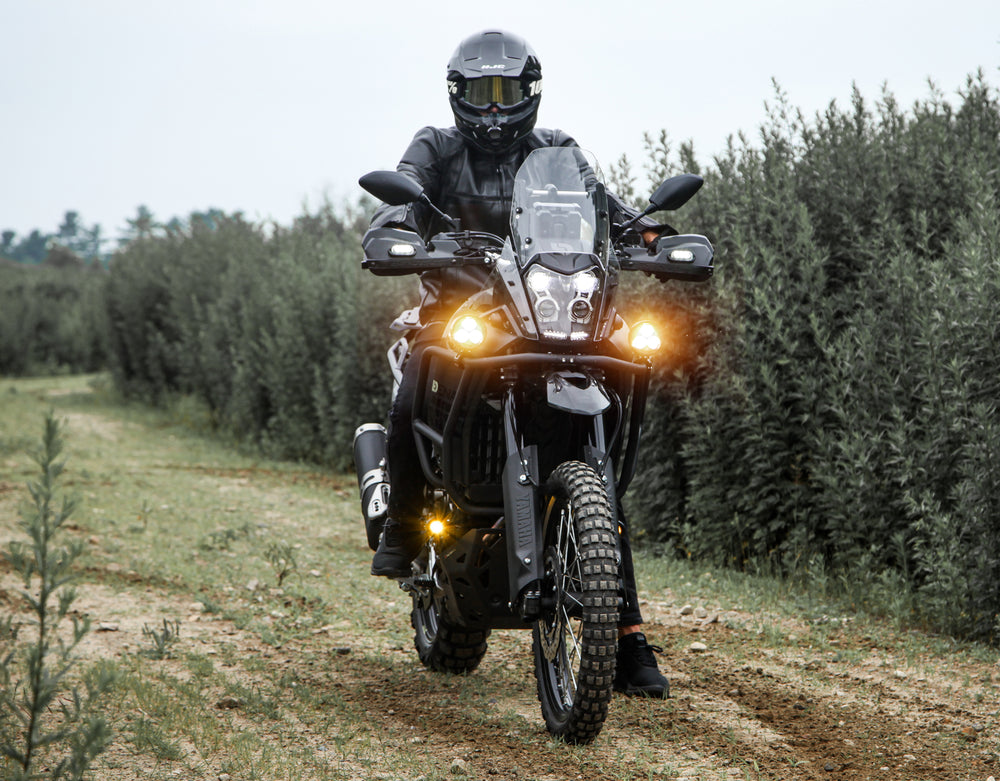
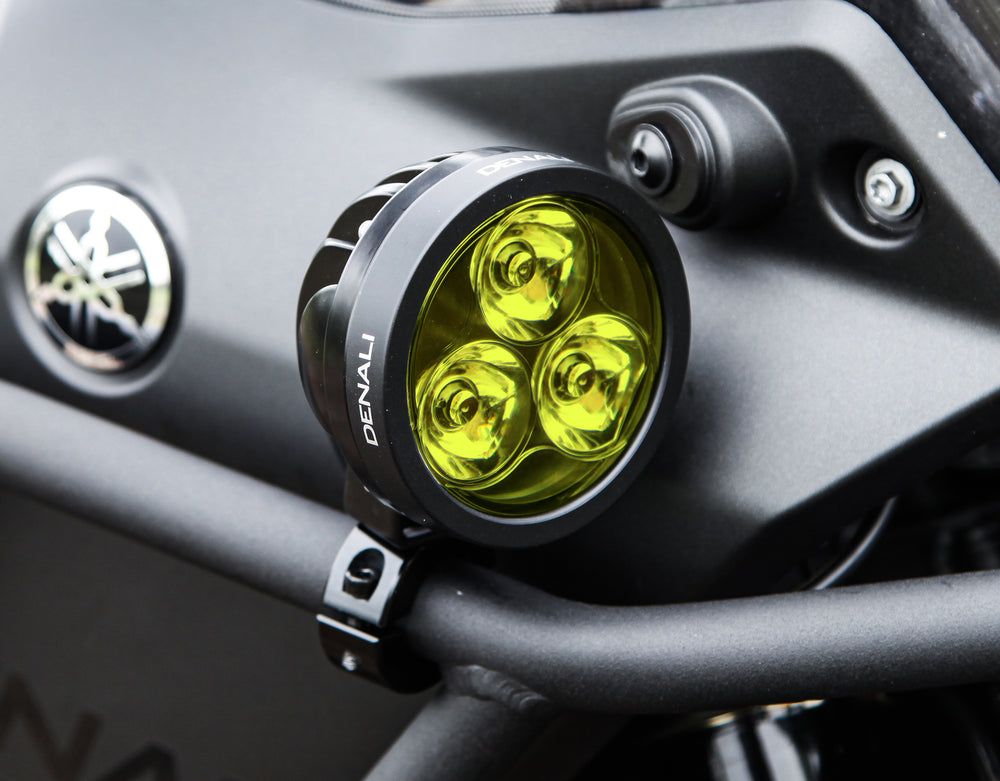


Our new D3 LED lights build upon a decade of DENALI innovation to deliver the highest performing street-legal fog light to hit the market. The D3 is also available in our signature TriOptic™ beam pattern that includes a spot and driving lens option with each pod. Unlike all previous TriOptic™ D-Series lights, the D3 driving beam is ECE and SAE compliant reaching the maximum allowable candela for each of the regulated lighting zones!
Cool, but how is it different from everything else on the market?
Meeting the SAE (North America) and ECE (European Union) fog light standard is no small feat, and any lighting manufacturer that can meet these specs has top-tier design and engineering capabilities. But what separates a top-tier product from the market leader is the difference between simply meeting a specification vs. maxing out a specification. We spent over a year engineering and lab testing our proprietary fog optic to ensure that it didn't just meet the SAE and ECE regulation, but reached the maximum allowable candela (beam distance and intensity).
How did we do it, & why don't our competitors do it too?
Simply put, it's freakin hard to do and requires innovation as opposed to reverse engineering. One hundred percent of the fog lights on the market either use an off-the-shelf optic or design a custom one. The weak fog lights only have one optic, or lens, and the higher performing ones have up to four, but these multi-optic lights still just use a multiple of the same optic or lens. We started developing our optics this way but quickly learned that we could not increase the light output anywhere near the max allowable candela without going over in an adjacent regulated lighting zone.
In other words, the reason that the majority of fog lights are nowhere near the allowable candela is because if they try to bump up the light output to the max candela in the center, they will "overshoot" the surrounding lighting zones that require a sharp cut-off for the fog beam. The easy solution is to dial back the light output to meet the complete regulation in every lighting zone.
Did somebody say dial back? Not in our house! Our innovative solution was to custom engineer an asymmetrical quad-optic lens that allowed us to strategically hit max allowable candela in all regulated lighting zones without overshooting the zones that require the sharp fog light "cut-off". Only then were we able to reach the limits of the regulation and introduce a fog that we could be proud of!